
How to Ensure Process Improvement Success Using The 5 Rs
Why Process Improvements Fail Without the Right Framework
Process improvement in laboratories and medtech organisations often begins with energy and optimism. Procedures are rewritten, training rolled out, and new tools introduced. But sustaining those improvements over time—that’s where most teams stumble.
Take BioLab, a small research facility that spent months improving traceability. They trained staff, updated documentation, and implemented new processes. Yet a year later, old habits crept back in, and progress stalled.
Why? Because effective change doesn’t end at implementation. Sustained improvement requires structure, follow-through, and reinforcement.
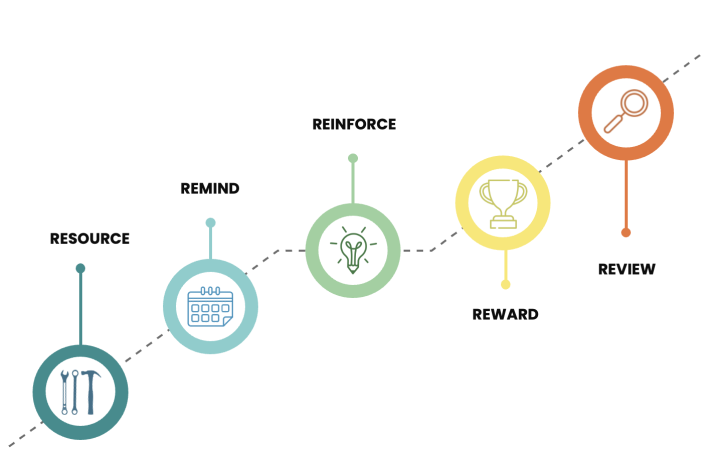
That’s where the 5Rs Framework for Process Improvement comes in—a practical guide to help laboratories, research organisations, and medtech companies achieve lasting result.
The 5Rs Framework for Process Improvement
1. Resource
Every improvement consumes something—time, effort, or tools. Extra checks, logging into new systems, or entering data can stretch staff capacity. Without allocating enough resources, even the best-designed systems can falter.
Tips for Implementation:
- Conduct a resource assessment: Identify the time, personnel, and tools required before implementation.
- Allow adequate time: Build in adjustment periods so staff can adopt new processes without overloading their workload.
- Provide ongoing support: Offer technical assistance and refresher training to make the transition smoother
💡 Practical quality improvement isn’t about doing more—it’s about doing better with what’s available.
2. Remind
Even with well-written procedures, people forget. Reminders are essential to help staff embed new routines into their daily habits. Continuous reminders reinforce the importance of change and help embed new processes into daily routines.
Tips for Implementation:
- Regular Meetings: Schedule short check-ins to review progress and reinforce the importance of new procedures.
- Visual aids: Use posters, checklists, or digital prompts to keep essential steps visible.
- Internal communication: Share success stories and progress updates through emails or internal platforms to sustain momentum.
💡Visibility keeps improvement alive.
3. Reinforce
Change is challenging, and new habits don’t form overnight. Staff may initially struggle with new processes, but regular acknowledgment and reinforcement can ease the transition.
Tips for Implementation:
- Positive feedback: Provide prompt recognition to reinforce correct adoption of new procedures.
- Refresher Training: Conduct short, focused sessions to strengthen new habits and address challenges.
- Mentorship programs: Pair experienced staff with those adapting to change , fostering a supportive environment.
Implementing process improvements can be challenging, but you don’t have to do it alone. At SmartQMS, we work with laboratories and medical technology organisations to simplify change and embed sustainable quality practices. If you’d like tailored guidance, our team is here to help.
💡 Reinforcement turns new behaviour into normal behaviour.
4. Reward
Acknowledging contributions encourages engagement and reinforces the importance of process improvements. Rewarding staff who actively support change motivates the whole team and demonstrates that improvements matter.
Tips for Implementation:
- Incentive Programs: Create structured programs that provide tangible rewards—such as bonuses, gift cards, or extra time off—for outstanding contributions.
- Recognition: Publicly celebrate individuals or teams who excel in adopting new processes through meetings, newsletters, or internal communications.
- Career Development: Provide professional growth opportunities—training, certifications, or leadership roles—to staff who contribute significantly to improvements.
💡Recognition transforms process improvement from “extra work” into “shared success.”
5. Review
Keep improvements on track through continuous evaluation. Regular reviews help identify opportunities for further enhancement and confirm that changes remain effective and sustainable.
Tips for Implementation:
- Set Milestones: Define clear checkpoints to measure progress at regular intervals.
- Feedback Loops: Provide channels for staff to share input on new processes and suggest refinements.
- Performance Metrics: Track measurable indicators to assess effectiveness and highlight areas for adjustment.
💡Reviewing what works keeps your improvement effort alive long after the launch.
.
Turning Plans into Lasting Results
Applying the 5Rs—Resource, Remind, Reinforce, Reward, and Review helps teams move beyond one-off initiatives and create a culture of sustained improvement.
When process improvements are supported, reinforced, and measured, they evolve from short-term fixes into long-term capability.
At SmartQMS, we help life science and medtech organisations simplify process change and embed sustainable quality practices.
Explore our ISO 9001 Guide or Quality Management Consulting Services to see how we can help you optimise systems, streamline processes, and achieve measurable results.
Contact us today for a complimentary consultation and discover how we can help optimise your systems, streamline processes, and achieve lasting improvement.